
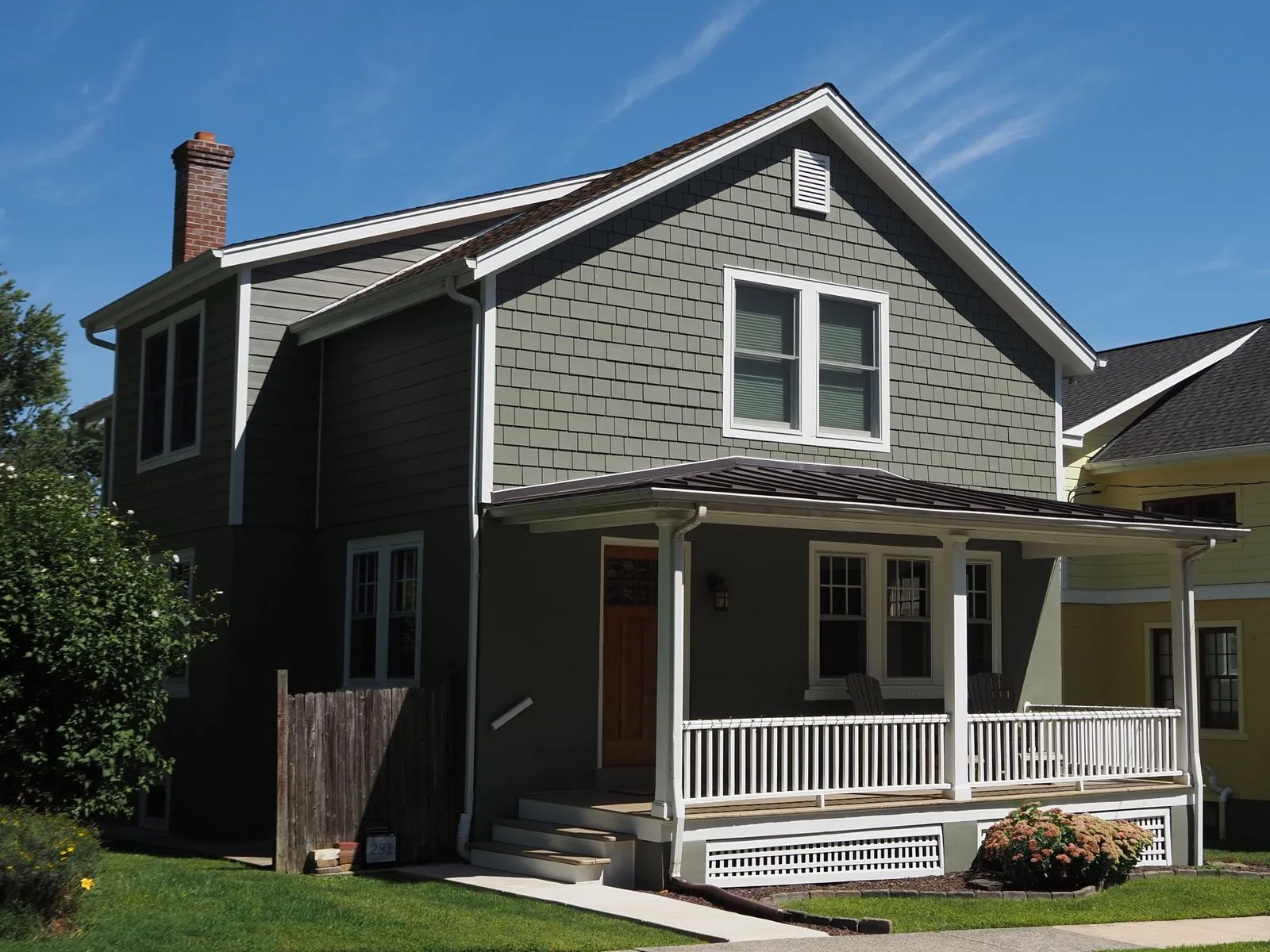
Leicester’s weather can shift from prolonged rain and damp conditions to frost, wind, and brighter spells. Porch materials need to cope with moisture, temperature changes, and regular use—not just look good on installation day. The best choice depends on your home’s style, how much maintenance you can manage, and whether the porch is enclosed or open. Compare the main options below, then check how each one will be detailed, drained, and connected to your house.
Timber: traditional but upkeep matters
Timber suits many period and traditional homes, and it can be cut or repaired to fit unusual openings. Its performance depends on the species, treatment, construction, and protection from standing water. In Leicester’s damp spells, exposed end grain and joints can take in moisture, so ask how these areas will be sealed and whether the design sheds rain effectively.
Plan to inspect painted or stained timber regularly, especially around the base, joints, and any roof connections. Recoating is needed when the finish starts to fail; leaving bare or damaged areas exposed can lead to decay. Timber can be a good option if you value its appearance and are willing to keep up with maintenance.
Brick and masonry: durable with good detailing
Brick is robust and works naturally with many Leicester homes. It resists routine knocks and generally needs less surface maintenance than painted timber, though mortar joints and nearby pointing still need occasional checks. A matching brick can help a new porch sit comfortably with the existing façade, while a deliberate contrast can also work when the design is considered as a whole.
Good masonry does not remove the need for careful water management. The porch needs suitable foundations, a damp-proof course, and a roof junction that directs water away from the house. Ask how the installer will handle the threshold and ground levels so rain cannot collect against the wall or enter beneath the door.
uPVC and aluminium: compare frames
uPVC frames are widely used for enclosed porches because they need little routine attention beyond cleaning. Check the frame’s construction, hardware, seals, and drainage routes rather than judging by color alone. Weather seals can wear, and blocked drainage channels may allow water to build up, so ask how these parts can be inspected and replaced.
Aluminium offers slim frame profiles and a durable finish, with little repainting required. Its thermal performance depends on the frame design and glazing specification, so ask whether the frame includes a thermal break and how the complete porch will limit drafts. For either material, confirm that the doors, seals, and drainage are suited to wind-driven rain and frequent use.
Glazing, roof, and installation details
Glazing affects comfort as much as the frame does. For an enclosed porch, ask about the glass specification, safety glazing where required, and how the panels are sealed. A glazed roof can bring in daylight, but it may also increase heat gain on sunny days and need more frequent cleaning. A solid or partly glazed roof can offer a different balance of shade, light, and upkeep.
Whichever materials you choose, installation details often determine how well the porch handles local weather. Check that the roof has an appropriate fall, gutters and outlets can carry rain away, and the connection to the house is properly flashed and sealed. Ask for the proposed materials and maintenance needs in writing, and confirm that the design suits your home and site.
Choose materials by considering exposure, upkeep, appearance, and the quality of the details—not by appearance alone. Compare written specifications for frames, glazing, roof, drainage, and weather seals before deciding. Leicester Porchworks can help you assess options for your property and plan a porch suited to your needs.